
Postpartum Hair Loss: Why New Mums Experience It & What You Can Do About It
Postpartum Hair Loss: Why New Mums Experience It & What You Can Do About It
Bringing a new baby into the world is one of the most incredible experiences — but the changes your body goes through can leave you feeling unlike yourself, especially when it comes to your hair. One of the most common concerns new mums face is postpartum hair loss. It can feel alarming to see more hair in the brush or shower drain, but the good news is: it’s completely normal, temporary, and manageable.
As a hairdresser and trichology student, I’m here to break down exactly what’s happening and how you can support your hair and scalp during this phase.
Why Does Postpartum Hair Loss Happen?
1. It Starts With Hormones
During pregnancy, your levels of oestrogen rise dramatically. This hormone keeps your hair in the growth (anagen) phase for longer. That’s why many women notice their hair feeling thicker, fuller, and shinier during pregnancy.
After birth, however, oestrogen levels drop rapidly. This sudden hormonal shift signals many of those “extra” hairs to enter the shedding (telogen) phase all at once. This process is known as postpartum telogen effluvium.
When Does Postpartum Hair Loss Start?
Most new mums begin to notice increased shedding around:
8–16 weeks after giving birth
It can last anywhere from 3–9 months
Although it can feel like you’re losing a frightening amount of hair, you’re not going bald — your body is simply adjusting, and your growth cycle is resetting.
What Are the Signs of Postpartum Hair Loss?
You may notice:
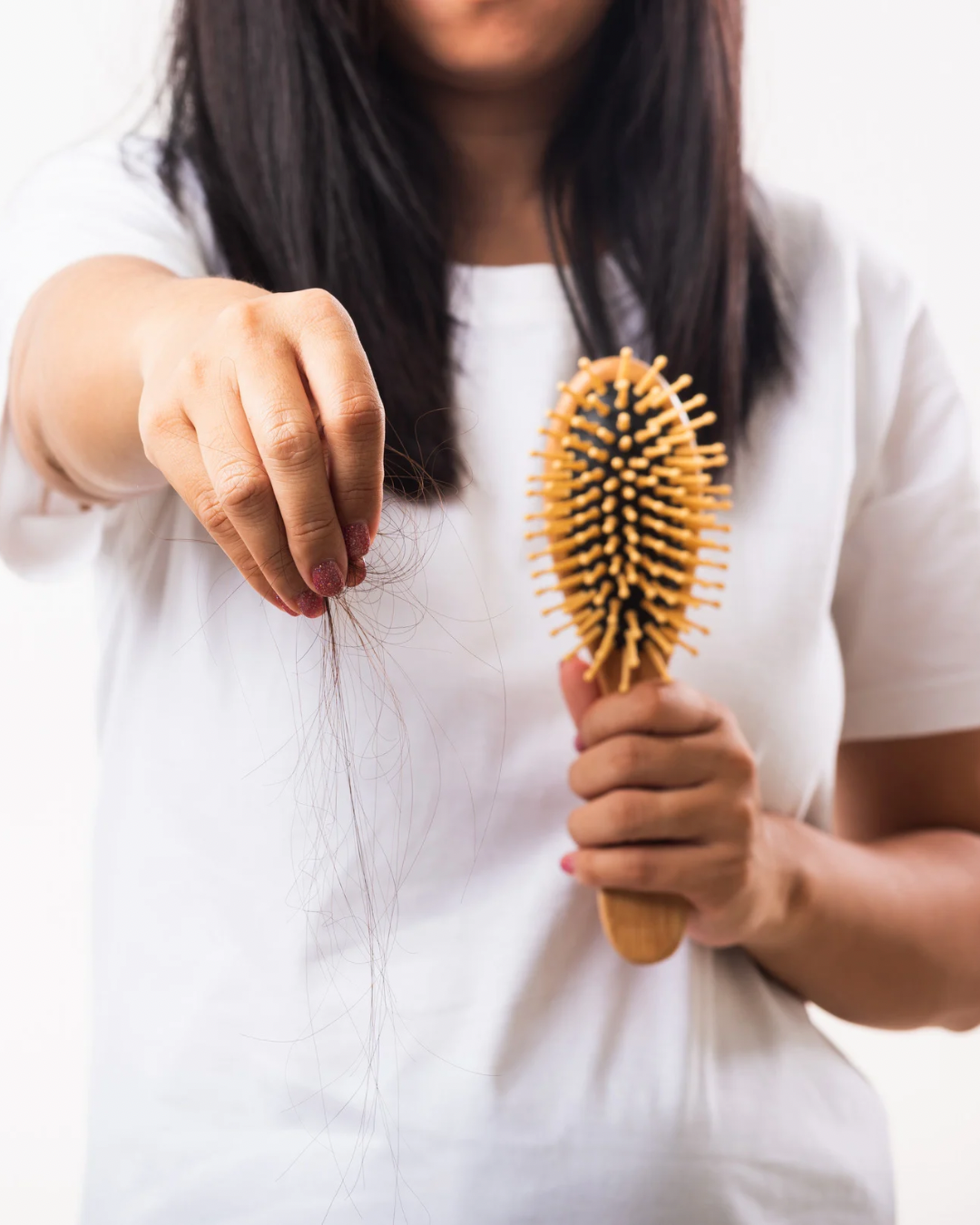
More hair fallout when brushing or washing
Thinning around the front hairline and temples
Excess shedding throughout the day
A generally flatter, less voluminous feel
These are all textbook signs of telogen effluvium and are completely normal.
Are There Other Contributing Factors?
Absolutely — especially for busy new mums:
1. Stress
Lack of sleep, emotional load, and physical fatigue all place the body under stress, which can disrupt the hair growth cycle.
2. Nutrition & Depletion
Pregnancy and breastfeeding increase your body's nutrient demands. Low levels of iron, vitamin D, zinc, and proteincan contribute to ongoing shedding.
3. Thyroid Changes
Postpartum thyroid imbalances (like hypothyroidism) can affect the hair cycle. If your hair loss feels extreme or prolonged, it’s worth speaking to your GP.
How to Support Your Hair During Postpartum Hair Loss
While you can’t completely stop postpartum shedding, you can help your hair recover faster and healthier.
1. Be Gentle With Your Hair
Avoid tight ponytails or buns
Don’t brush hair when soaking wet
Use a soft detangling brush
Minimise hot tools where possible
2. Focus on Scalp Health
A healthy scalp equals healthier hair growth. Try:
Regular gentle exfoliation
Scalp massage to boost blood flow
Using lightweight, nourishing oils (sparingly)
3. Nutrition Matters
Aim for a diet rich in:
Lean protein
Iron-rich foods (spinach, red meat, lentils)
Omega 3s
Vitamin D
Complex carbs
If breastfeeding, always check supplements with a health professional.
4. Consider a Trim & Fresh Cut
Losing thickness can leave hair feeling flat and lifeless. A structured cut can make a huge difference in volume and confidence.
5. Don’t Fear Baby Hairs
The little wispy hairs growing back around your hairline?
That’s a great sign — it means recovery is already underway.
When Should You Seek Help?
It’s completely normal to shed for several months postpartum. But if you experience:
Severe thinning
Sudden patches
Shedding beyond 12 months
Scaling, itching or soreness
Loss of eyebrow or body hair
…then it’s worth seeking advice. As a trichology student, I can help assess your scalp and hair health and guide you on the next steps.
Final Thoughts
Postpartum hair loss may feel overwhelming, but it’s a normal and temporary part of your body’s recovery. With the right care, nutrition, and support, your hair will return to its natural growth cycle.
If you're a mum struggling with postpartum hair changes and want expert advice or a fresh confidence-boosting colour/cut or reassurance with hair loss, you’re always welcome in my chair in Chelmsford.